Champagne Tasting Order: What Should I Pour First?
The simplest answer to “What should I pour first?” is: start with a fresh, dry Brut, then move to rosé or vintage Champagne. That sequence gives your palate an easy introduction before the wines become more expressive, structured, or distinctive. It also works beautifully for a dinner party, a small tasting with friends, or a celebratory first glass before a meal.
There is no need to turn the evening into an exam. A thoughtful Champagne tasting order is mostly about a few practical details: choosing bottles that suit the occasion, keeping them at the right temperature, pouring modestly, and opening them safely and quietly. Get those right and you can compare two styles simply, without specialist equipment or a long tasting script.
The Best Champagne Tasting Order
For a tasting of two or three bottles, move from the lightest, driest, and most approachable style toward wines with more intensity or age. A reliable progression is:
- Non-vintage Brut: Begin with a classic aperitif style. It is usually fresh, balanced, and easy to enjoy on its own.
- Rosé Champagne: Pour next for its red-fruit character and a little more presence at the table.
- Vintage Champagne: Finish with the bottle that has the most depth, maturity, or distinctive character.
This is a guide, not a rulebook. A particularly delicate rosé may be better before a powerful, oak-influenced Brut, while a lighter vintage could precede a richer non-vintage cuvée. Taste the bottles in advance if you can, or ask a knowledgeable retailer how their weight and style compare. The central idea is to avoid beginning with the most intense wine: after a richly textured, mature Champagne, a lighter one can seem less expressive than it really is.
Start with Brut Aperitif Style
For most gatherings, start with Brut aperitif style: a non-vintage Champagne that is crisp, balanced, and welcoming. Its freshness prepares the palate, and it is versatile enough to serve before dinner with salty snacks or a simple first course. Think of it as the opening chapter rather than the main event.
Brut describes a dry style, but it does not mean every bottle tastes identical. House style, grape varieties, aging, and dosage all shape the impression. One Brut may feel citrusy and taut; another may be rounder, with ripe fruit or notes of brioche. Laurent-Perrier, for example, is one of the Champagne houses guests may recognize. If you choose a familiar label, let the bottle speak for itself rather than assuming everyone will taste it the same way.
Serve a small pour first, then give guests a moment to notice the wine. You might ask what stands out—citrus, apple, toast, or a feeling of freshness—without insisting on formal tasting language. A relaxed opening encourages conversation and gives the next Champagne a clear point of comparison.
When to Pour Rosé or Vintage
Rosé Champagne
Rosé is a natural second pour because its color and red-fruit aromas make the contrast with Brut easy to notice. Depending on the bottle, guests may find strawberry, raspberry, cherry, or savory notes. Rosé is also especially useful when a gathering moves from pre-dinner drinks to food: it can pair well with salmon, roast poultry, charcuterie, or dishes with a gentle spice.
Do not assume rosé is automatically sweeter or heavier. Color alone does not tell you how a Champagne will taste. If you are serving a delicate rosé and a particularly powerful Brut, try the rosé first. The order should follow the wines’ actual weight and intensity, not a rigid checklist.
Vintage Champagne
A vintage Champagne is often a satisfying final pour because it can show more individual character and complexity. Vintage wines are made from grapes of a declared harvest year, and their style varies with the year, producer, and aging. Some feel bright and energetic; others have developed richer, more savory notes. Pouring one last gives guests time to focus on those details rather than rushing on to another bottle.
Let me tell you about a situation I encountered was shocked by the final bill.. If you are serving a vintage Champagne with dinner, it need not wait until the end of the evening. Pair it with a course that suits its weight, and consider serving a lighter wine before it. The best order is the one that lets each bottle be appreciated in context.
Choose Bottles for the Occasion
Before you decide on an order, consider what the gathering is for. A bottle for a casual aperitif has a different job from a Champagne chosen as the centerpiece of an anniversary dinner. You can make the selection feel intentional without buying a large flight or turning the evening into a production.
Occasion A useful choice Serving idea Before dinner or a casual toast Non-vintage Brut Serve with salted almonds, crisp crackers, or simple canapés. A festive gathering Brut followed by rosé Keep the first pour light; bring out rosé with a slightly more substantial snack. An anniversary or special dinner Vintage Champagne, perhaps after a Brut opening Pair the more characterful bottle with a considered course. A small comparative tasting Two contrasting styles Use the same glass and serving temperature for a fair comparison.Match the scale of the tasting to the group. Two bottles are often enough for four to six people to compare styles without leaving half the selection untouched. If guests are driving or simply prefer not to drink, have water and an appealing nonalcoholic option available. Hospitality is better measured by comfort than by the number of bottles opened.
Store Champagne Properly Before the Party
Good storage protects the wine before it reaches the table. If you plan to serve a bottle soon, the refrigerator is a practical place to chill it. Give it several hours rather than trying to cool it at the last minute. For longer-term storage, choose a cool, dark place with a steady temperature, away from direct sunlight, radiators, and frequent vibration. Temperature swings are less helpful than a consistently cool environment.
Keep bottles away from strong smells and avoid leaving them in a warm kitchen. Champagne intended for near-term drinking does not require elaborate equipment; careful, steady conditions matter more. If you have stored a bottle on its side, handle it gently before serving, especially if it has been aging and may have sediment.
Once chilled, keep the bottle cold while you pour. An ice bucket is useful at the table, but it should hold both ice and water: the water helps the bottle chill evenly. If you are using an ice bucket, check the wine’s temperature rather than leaving it to become very cold by habit. A bottle can also be returned to the refrigerator between pours if the meal is moving slowly.
Serve at the Right Temperature
Serving temperature changes what you notice. Too warm, and the wine may seem less crisp, with the alcohol and mousse feeling more prominent. Too cold, and its aromas can seem muted. For most Champagne, aim for roughly 45–50°F (7–10°C). A richer or more mature bottle may show better toward the warmer end of that range, while a lively aperitif Brut is often enjoyable slightly cooler.
A refrigerator is not a precision instrument, and the time needed to chill a bottle depends on its starting temperature and the appliance. If accuracy matters, use a clean wine thermometer rather than guessing. If the bottle has https://www.salonprivemag.com/hosting-a-successful-champagne-tasting-at-home/ become too cold, let it sit briefly before pouring. When serving several wines, try to bring them to similar temperatures so temperature does not become the main difference between them.
Use a tulip-shaped sparkling-wine glass if available. It gives the aromas room to gather while preserving the wine’s lift. A standard white-wine glass can work well, too. The most important thing is a clean glass with enough room to swirl gently; a narrow flute can make it harder to appreciate aroma, while a broad coupe lets bubbles fade more quickly.
Open the Bottle Safely and Quietly
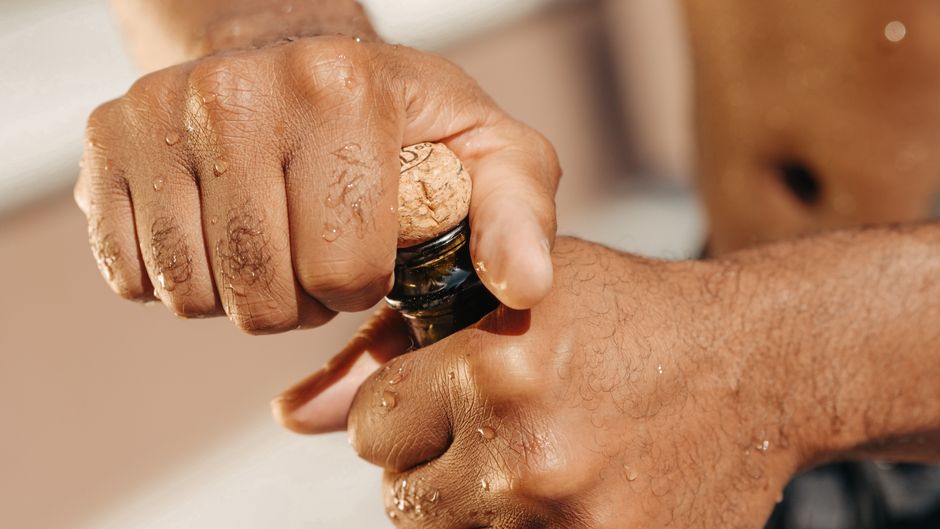
The ideal opening is controlled, safe, and nearly silent. A dramatic pop may look festive, but it can send the cork flying, waste wine, and startle guests. The pressure in a Champagne bottle is substantial, so point it away from people, glassware, and anything fragile throughout the process.
- Remove the foil carefully and keep one hand over the cork.
- Loosen the wire cage, but leave it in place over the cork as an added grip.
- Hold the bottle at a slight angle, with the neck directed safely away from everyone.
- Grip the cork firmly and rotate the bottle—not the cork—while keeping gentle downward control.
- Let the cork ease out with a soft sigh. Keep hold of it until it is fully released.
Do not use a corkscrew on a sparkling-wine bottle. If the cork feels stubborn, keep the bottle cold and dry, maintain your grip, and rotate the bottle patiently. Never shake a bottle, and do not point it toward a ceiling light or a crowded room. A quiet opening is not less celebratory; it simply shows care for the people and the wine.
Compare Two Styles Simply
You do not need a formal tasting sheet to make a useful comparison. Pour a modest amount of Brut and rosé into the same style of glass, at roughly the same temperature. Taste the Brut first, then the rosé. Ask three straightforward questions:
- Fruit: Do you notice citrus and orchard fruit, or more red-fruit character?
- Texture: Does one feel lighter, creamier, or more structured?
- Finish: Which wine leaves a fresher, longer, or more savory impression?
That is enough to make the contrast memorable. If you want to keep notes, write down one word for aroma, one for texture, and one for the finish. Avoid tasting too many bottles in rapid succession; palate fatigue makes the later wines harder to judge. Small pours, a glass of water, and a pause between styles are more useful than elaborate tasting accessories.
A Common Planning Mistake: Assuming Prices Were Provided
A common mistake when building a Champagne shortlist from scraped content is assuming that prices were included. No prices were provided in the scraped content, so there is no reliable basis for quoting a bottle cost or comparing value from that material. Prices also vary by retailer, location, bottle format, and date. Check current listings directly before publishing or making a purchase, and keep any recommendation focused on style and occasion unless a verified price is available.
I'll be honest with you: that distinction matters in a polished guide: a tasting order can be useful without unsupported pricing. If you share your bottle lineup on Pinterest or Facebook, include the producer, cuvée, and vintage where relevant, and verify any shopping details separately. The practical advice—what to pour first, how to chill it, and how to open it safely—stands on its own.
The Easy Rule to Remember
For a reliable Champagne tasting order, start with a fresh Brut aperitif style, then pour rosé or vintage according to which bottle is more intense. Store bottles in cool, steady conditions, use the refrigerator to chill them in advance, and keep them cold in an ice bucket with ice and water during service. Pretty simple.. Aim for an accurate serving temperature near 45–50°F, pour modestly, and open each bottle with a controlled, quiet release.
Above all, let the occasion guide the choices. A welcoming Brut is an elegant beginning; rosé brings color and contrast; vintage Champagne can provide a thoughtful final glass. The point is not to impress guests with rules. It is to make each bottle taste its best—and give everyone a reason to linger over the next pour.
